Tuesday, 15 September 2015

Task 2- Understanding the limitations of the television ident

In television there can be many different limitations that could either be a positive or it could end up posing as a issue, there are a few things which could be considered a limitation those are typography, colour, aspect-ratio, adhering to a desired tone and duration.

Typography

Typography is an art and technique of arranging type to make written language legible, readable and appealing when displayed, it involves selecting typefaces, point size, line length, line-spacing, letter spacing and adjusting the space the space within letters pairs. The term typography is also applied to the style, arrangement and appearance of the letters, numbers and symbols created by the process, type design is a closely related craft, sometimes considered part of typography; most typographers do not design typefaces and some type designers do not consider themselves typographers.



Colour

Colour is the visual perceptual property corresponding in humans to the categories called red, blue, yellow etc, colour derives from the spectrum of light interacting in the eye with the spectral sensitivities of the light receptors. Colour categories and physical specifications of colour are also associated with objects or materials based on the physical properties such as the light absorption, reflection or emission spectra.


Aspect ratio

The aspect ratio is the dimensions required to fit the screen, the aspect ratio is expressed as two numbers separated by the colon (x:y), the values of x and y do not represent actual width and height but rather the 'relation' between width and height, for example 8:5, 16:10 and 1.6:1 are all the same aspect ratio.


Adhering to a desired tone

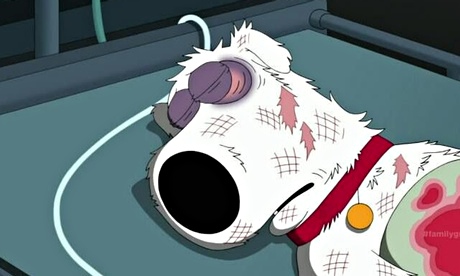
The ident for each individual channel has to be able to correspond with the channel's genre or style, for example BBC two has a formal ident for the shows that it provides such as documentaries but BBC three has a comical animated ident to reflect on its humorous shows such as Family guy or American Dad. The right tone needs to be set for the different target audiences, it has an important goal because the tone has to be suitable for the intended audience.


Duration

Duration is the amount of time between two different events it could also be the length of time it takes for something from start to finish.


Positive limitations
Duration
length of a advert which introduces the shows that are later on in the day, this becomes beneficial as it gives the audience an insight to the shows they are going to show and it prolongs the visuals of the ident.
Typography
There are many positive aspects to typography such as the cross-platform compatibility, variety of characters in a single font file and unique typography features, typography is extremely important to clearly state information, to communicate amongst one another or to create an attraction to the viewers.
Colour
Although there are colours that have allocated to channels, for example a distinctive pink is used for BBC three so it is unusable by any other channel, the remaining colours to choose from for your ident is still a massive selection.
Size
Having limited space to display your ident on a screen is a debatable limitation, however using the space and size to your advantage, you can create an ident displayed for a short amount of time and position everything so it is visible and clear to the audience, for example a channel may place the ident, the channels on next and a interesting activity in the background in one ident and this will all be sizably fit to be on TV.

Friday, 11 September 2015

Task 1 - Understanding the purpose of television idents and the opportunities they present

Not everyone knows what a TV ident is so in this blog I will be going through and trying to explain what it is the best that I can.

A TV ident is pretty much the identity of the channel, before a particular show is viewed by everyone, the channel will play their ident so that is their symbol that people would be able to recognize when ever they see it. The first ident that appeared was in 1953 which was showed by the BBC as commercial television began to expand and viewers needed to be able to identify the different channels that was been shown, the first ident was also named "Bat Wings". Over the years idents have changed and technological advances have played a big part in that been able to happen.
In 1960 the first "BBC TV" logo within a circle was introduced, it appeared on top of a map of Britain which was also then split into the BBC's broadcast regions, The most famous ident "the globe" appeared in 1963, it rotated as the BBC TV logo would appear and a voice would announce "This is BBC Television".


A ident has a important role when it comes to keeping the channels schedule organised and an ident is also a ideal opportunity to provide the audience with key information about programming on that channel and that information may entice the viewer to continue watching that particular channel rather than switching over to another channel.

Segmentation is important because non commercial channels such as the BBC do not have time between programs that advertisements provide for commercial channels such as channel 4 and ITV, idents therefore add time in-between programs to provide information about the next show that may be playing on that channel and others, to promote a variety of programming and it also regulates the scheduling on that channel if there is a time slot that needs to be filled into the next channel starts to play and it can also be used to provide a break for the studio workers that work in the news and sports.

As well as simply identifying the channel, an ident is a chance to provide the audience with information about that particular channel and it can be easily reflect the type of programs that are shown on it, it is also important that an ident sets the right tine for the channel it is on and is appealing for the target audience. When the channel BBC four arrived it built it's reputation on having more factual and informative programming, the initial idents therefore reflected this, it is also important that the tone set is appropriate for the age group of the channel, Cbeebies and CBBC have different idents that are appropriate for the different age groups they cater to.

Idents also have another use than creating an identity for a channel or making sure the timing between the channels are well spaced apart and play when they was scheduled, they also make sure that television channels are no longer restricted to one country so therefore helps to create a brand in a range of different locations. It can also make sure that there is a consistency across a range of channels such as the BBC helps to establish a corporate identity that can be sold all across the world and with the growth of online platforms like the BBC IPlayer, it is vital for corporations to retain the image that could be so easily diluted in the online world.

Building a 'Brand' for a particular channel is vital as it encourages people to stay loyal to that particular channel and an ident helps to endorse the brand of a particular channel by allowing the audience to become familiar with the logo and the style of the channel, it is a visual reminder of a particular channel and it also imprints the 'brand' into the mind of the audience, this makes them more likely to watch the channel again.

Idents can be used to identify that particular content or a particular program that belongs to a certain channel and therefore 'brand' the content and it can also be used to provide a consistent theme across a range of platforms.

Idents can also be used for marketing reasons, this is usually done around Christmas time, one example of a Christmas ident is on BBC one they had Wallace and Gromit making snow angles.


Idents are often used to promote large events or a new series or programs, one example of this is a ident that was played around the time that strictly come dancing was been shown on TV, This is done so that people know that it is getting to the point of where it will be shown.